
Creating a Modern Look Without Making the Room Feel Cold
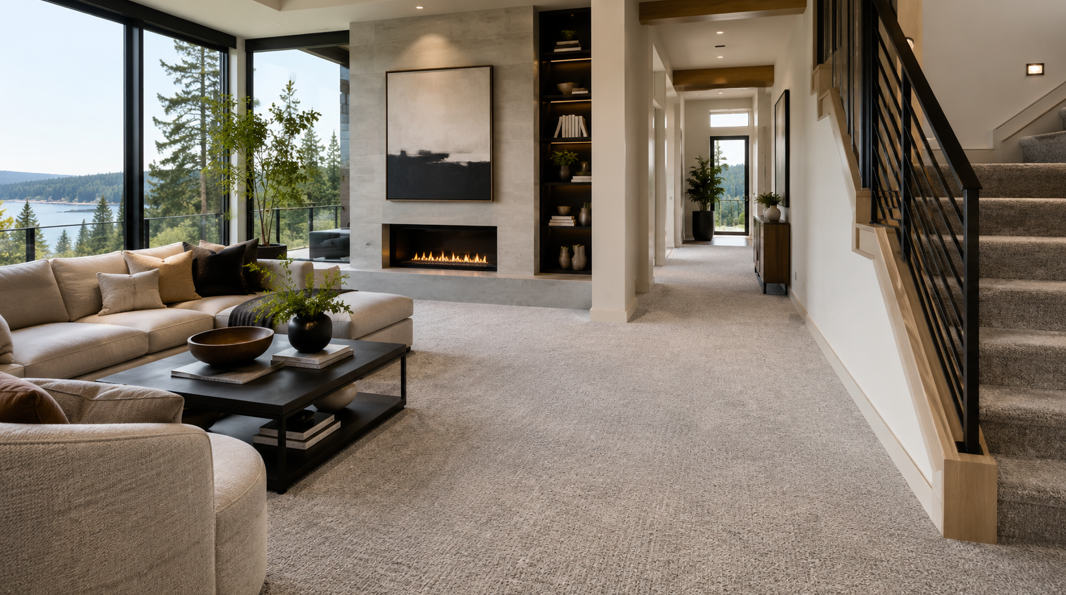
Modern interiors are known for clean lines, open layouts, restrained color palettes, and carefully chosen materials. That does not mean every surface needs to feel hard or minimal. In Bellevue and Kirkland homes, carpet can bring warmth, softness, and acoustic comfort to a modern space without taking away from its polished appearance.
The key is choosing carpet intentionally. Instead of treating it as a background selected at the end of a project, consider how its texture, color, pattern, and pile shape the room. A well-chosen carpet can soften strong architectural lines, make a large space feel more inviting, and create a comfortable transition between private and shared areas.
At Eastside Carpets & Floors, homeowners can compare samples in their own lighting through a mobile showroom and free in-home estimate. That is especially helpful in modern homes, where large windows, paint undertones, cabinetry, and adjoining hard surfaces can change how carpet looks throughout the day.
For many modern interiors, the strongest carpet choices have a refined texture, a practical low- or medium-profile pile, and a color that supports the rest of the design. Subtle patterns, heathered neutrals, tailored loops, and soft tonal variation can all work beautifully.
This guide explains how to choose carpet that feels current, comfortable, and suited to daily life in Bellevue and Kirkland.
What Makes Carpet Feel Modern?
Modern carpet is less about following one trend and more about creating a clean, intentional effect. A carpet can feel current because of its texture, scale, color, pattern, or connection with the architecture.
Clean Surface Texture
A tidy, controlled surface usually feels more contemporary than an overly loose or heavily sculpted pile. Low- and medium-profile carpets create a tailored appearance that works well with simple furniture, open floor plans, and streamlined trim.
Textured cut pile, dense loop constructions, and subtle patterned carpet can all feel modern when the surface looks deliberate. The goal is not necessarily a flat carpet. It is a carpet with enough structure to support the room’s design.
Restrained Pattern
Modern pattern tends to be understated rather than decorative. Small geometrics, linear details, tonal checks, and soft organic movement can add dimension without making the floor the loudest feature in the room.
A subtle pattern is especially useful in hallways, stairs, offices, and family rooms where a completely solid carpet may show footprints or shading more easily.
Thoughtful Color
Modern rooms often use a limited palette, but that does not mean the carpet has to be gray. Warm taupe, mushroom, beige, greige, charcoal, muted blue-gray, and earthy brown can all support a current interior.
The most successful color usually connects with another finish in the room, such as the wall color, stone fireplace, upholstery, wood tone, or cabinetry.
Visual Simplicity
Modern design relies on clarity. Carpet with several competing colors, dramatic pile changes, or a highly ornate pattern can make a room feel busier.
Choose one main idea, such as a quiet texture, refined pattern, or controlled statement color. Let the remaining features support it.
Choosing the Right Carpet Style for a Modern Home
Carpet style has a major effect on whether the finished room feels relaxed, architectural, luxurious, or highly practical.
Textured Cut Pile
Textured cut pile is one of the most versatile options for modern homes. Its fibers sit at slightly varied angles, helping soften light and reduce the visibility of footprints and vacuum marks.
This style works well in bedrooms, family rooms, upstairs hallways, and bonus rooms. For a more contemporary effect, look for dense construction, controlled texture, and a pile height that does not appear overly fluffy.
Loop Pile
Loop-pile carpet creates a structured, tailored surface. It can work particularly well in modern offices, hallways, stairs, and rooms with clean-lined furniture.
Level loops provide an even appearance, while multi-level loops create a subtle pattern through height variation. In homes with pets, consider whether exposed loops may be vulnerable to snagging. A flooring professional can help compare tighter loop designs with suitable cut-pile alternatives.
Patterned Carpet
Patterned carpet can give a room depth without relying on bold color. Tonal geometrics, narrow stripes, small grids, and abstract linear designs are useful when the space needs visual movement.
Pattern can also define a home office, media room, or stairway while coordinating with surrounding hardwood or luxury vinyl. Alignment matters, especially on stairs and through doorways, so professional measurement and installation are valuable.
Frieze and Casual Textures
Frieze carpet uses strongly twisted fibers to create a relaxed, slightly curled surface. It can work in modern family spaces when the pile is controlled and the color is simple.
It also helps disguise footprints and everyday shading. Avoid a very long, loose frieze when the goal is a crisp, architectural look.
Wool and Wool-Blend Carpet
Wool carpet brings natural depth, warmth, and a premium feel to modern interiors. Its subtle variation can keep a neutral room from feeling flat.
Wool and wool blends can suit formal living rooms, primary bedrooms, libraries, and design-led spaces where natural materials are part of the overall concept. Care requirements vary, so review cleaning guidance and warranty conditions before selecting a product.
Modern Carpet Colors That Work in Bellevue and Kirkland
Color needs to support the home’s architecture, natural light, and existing finishes. Bellevue and Kirkland properties range from glass-filled new construction to remodeled mid-century homes and traditional houses with modern updates.
Warm Neutrals
Warm neutrals work well with natural wood, cream walls, warm white paint, brass details, and earthy stone. Useful options include:
Mushroom
Oatmeal
Sand
Warm greige
Soft taupe
Light mocha
These shades create a calm base and can make a modern room feel more inviting. They also adapt well when furniture or accessories change.
Cool Neutrals
Cool gray can support interiors with concrete-inspired surfaces, black metal, cool white walls, silver-toned fixtures, or blue-based color schemes.
Rather than choosing a flat industrial gray, consider a shade with heathering or blended fibers. Subtle variation adds depth and can make the carpet more forgiving between cleanings.
Charcoal and Deep Tones
Charcoal, deep brown, and muted navy can create a sophisticated effect in media rooms, offices, bedrooms, and lower levels.
Dark carpet works best when the room has enough light and contrast. Pale walls, lighter upholstery, or warm wood can keep the space balanced. Dark shades may show lint, pale pet hair, or dust more readily, so consider household habits before deciding.
Nature-Inspired Colors
Muted green, clay, soft blue, and mineral-inspired shades add personality while maintaining a modern feel. Colors that are slightly softened or grayed tend to be easier to coordinate than highly saturated tones.
A nature-based palette can suit Pacific Northwest homes because it reflects views of trees, water, and seasonal light.
Matching Undertones
Undertones matter more than product names. Two carpets labeled “greige” may look completely different beside the same wall paint.
Compare samples with cabinetry, flooring transitions, trim, furniture, and major fabrics. View them in morning, afternoon, and evening light before making a final choice.
Coordinating Carpet With Hardwood, LVP, and Tile
Many Bellevue and Kirkland homes combine carpet with hard-surface flooring. The transition between materials needs to feel intentional.
Homeowners can explore a range of carpet flooring to compare colors, textures, and patterns with existing hardwood, tile, or luxury vinyl.
Coordinate Rather Than Match
Trying to match carpet exactly to wood or vinyl can make the combination feel forced. Instead, coordinate through undertones.
Warm oak may pair well with mushroom, beige, warm greige, or muted brown carpet. Cooler wood or gray-toned LVP may work with balanced taupe, charcoal, or soft gray.
Pay Attention to Transition Height
The height difference between carpet and hard flooring affects appearance and safety. Carpet pile, padding, flooring thickness, and transition profiles all need to work together.
A professional measure can identify where reducers, transition strips, or other finishing details may be needed.
Create Visual Flow
In an open-plan home, carpet often works best in rooms where comfort and sound matter most, including bedrooms, offices, media rooms, and upstairs areas. Keep the palette connected so the home still reads as one design.
The carpet does not need to be identical in every room. Related colors or textures can create consistency while allowing each space to serve a different purpose.
Plan Stair Connections Carefully
Stairs often act as the visual bridge between hard flooring downstairs and carpet upstairs. A tailored loop, subtle pattern, or dense textured cut pile can make this connection feel polished.
Pattern placement, seams, and stair-edge finishing need careful planning because installation quality has a strong visual impact in this area.
Selecting Carpet by Room
A modern home may use different carpet styles depending on how each space functions.
Primary Bedrooms
Primary bedrooms benefit from softness, warmth, and quiet. Textured cut pile, refined frieze, wool, and wool blends can all work well.
Choose a color that supports the walls and bedding without limiting future design changes. Warm neutrals and muted natural tones are especially flexible.
Children’s Rooms
Children’s rooms need comfort, stain performance, and a surface suited to frequent activity. Dense textured carpet in a forgiving mid-tone color can balance design and practicality.
A versatile base also allows paint, bedding, and accessories to change as the child grows.
Home Offices
A home office can support a more tailored carpet. Low-profile loop, subtle pattern, or dense cut pile works well with desks and modern shelving.
Check whether the construction is suitable for rolling chair movement, and use a compatible floor protector when appropriate.
Media and Bonus Rooms
Carpet helps absorb sound and create a comfortable atmosphere in media rooms. Deeper neutrals, subtle patterns, and slightly richer textures can work well when they suit the room’s traffic and lighting.
Hallways and Stairs
Hallways and stairs need resilience, density, and good texture retention. Subtle pattern can disguise traffic marks and add structure to narrow spaces.
Select a product rated for the expected use and give installation quality the same attention as style.
Balancing Modern Style With Everyday Practicality
Modern carpet still needs to work for the people who live with it. Appearance matters, but so do traffic, pets, children, maintenance, and long-term comfort.
Choose a Practical Pile Height
Low- and medium-profile carpets are often easier to vacuum and less likely to show crushing in busy areas. Taller piles can feel luxurious but may require more care.
Select the pile by room rather than using one specification throughout the home.
Look at Density and Construction
Dense carpet generally provides stronger support and can maintain its appearance better than a loose construction. Fiber type, twist, backing, and manufacturer rating also contribute to performance.
Softness alone does not indicate durability.
Consider Stain and Soil Performance
Households with children, pets, or frequent guests may benefit from fibers and treatments designed for easier cleanup. Ask what the stain warranty covers and which cleaning methods are approved.
Solution-dyed options can provide strong colorfastness and stain resistance in many product lines, although performance still varies by construction.
Think About Maintenance Before Buying
Carpet is easier to enjoy when its care requirements fit the household’s routine. Review vacuum settings, professional cleaning recommendations, spot-cleaning guidance, and warranty documentation.
Use larger samples whenever possible. Small swatches may not reveal pattern scale, color variation, or how the pile responds to light.
Why Padding and Installation Shape the Finished Design
Padding and installation affect comfort, sound, durability, and visual quality. They are not secondary details.
Choose Padding for the Carpet and Room
The thickest pad is not automatically the best. Padding needs to meet the carpet manufacturer’s specifications and suit the traffic level.
A firm, durable pad can support carpet in hallways and stairs, while a bedroom may allow greater emphasis on comfort. The right choice improves underfoot feel and helps the carpet perform as intended.
Prepare the Subfloor
The subfloor needs to be clean, dry, and suitable for installation. Uneven areas, damaged sections, old adhesive, or moisture concerns may need attention first.
Good preparation creates a smoother finished surface and supports more consistent wear.
Plan Seams, Patterns, and Finishing Details
Seam placement matters in large rooms, hallways, and doorways. Patterned carpet also requires alignment so the design appears centered and continuous.
Installers need to account for room dimensions, traffic direction, stairs, closets, door clearance, vents, baseboards, and transitions. In a modern home, precise finishing is especially noticeable.
Keeping Modern Carpet Looking Its Best
Consistent care helps preserve appearance and performance.
Vacuum based on household activity. Busy areas may need more frequent attention than guest rooms or low-use bedrooms. Regular cleaning removes grit before it settles deeper into the pile.
Use a vacuum and setting approved for the carpet style. Some loop or high-pile products require specific care.
Blot spills promptly with a clean, absorbent cloth. Avoid rubbing, which can spread the spill or disturb the fibers. Follow the manufacturer’s instructions and use approved products, since unverified treatments may leave residue or affect color.
Place suitable mats near exterior doors to reduce moisture and debris, particularly during wet Bellevue and Kirkland weather. Clean the mats regularly so they continue to capture soil.
Professional cleaning can remove embedded dirt and refresh the carpet’s appearance. The appropriate schedule depends on traffic, pets, household activity, and warranty conditions. Keep installation and cleaning records together for future reference.
Bringing the Modern Design Together
The best carpet for a modern Bellevue or Kirkland home feels intentional from every angle. It supports the architecture, complements adjacent materials, adds comfort, and fits the household’s routine.
Start with the room’s purpose. A primary bedroom may call for softness and warmth. A home office may benefit from a low-profile tailored surface. Stairs and hallways need resilience and pattern control. Media rooms may place greater emphasis on sound absorption and a deeper color palette.
Then refine the design through color, texture, and scale. Warm neutrals create an inviting foundation, cool tones support crisp interiors, and muted natural colors connect the home to the Pacific Northwest landscape. Subtle patterns and tonal variation add dimension without creating visual noise.
Eastside Carpets & Floors brings more than 30 years of flooring experience to homeowners across Bellevue, Kirkland, and neighboring Eastside communities. The team can bring samples to the home, compare them with existing finishes, provide a free in-home estimate, and arrange professional installation.
To choose carpet that fits your modern interior and everyday needs, get in touch with Eastside Carpets & Floors.


