
Why Carpet Feels Different When the Weather Turns Cooler
In Redmond, the shift from early fall into winter is easy to feel indoors. Days get cooler, rainfall increases, and homeowners naturally start paying more attention to warmth, softness, and how comfortable their rooms feel underfoot. City climate information describes Redmond winters as cool and wet, with precipitation increasing significantly during the later months of the year. Average temperatures also drop considerably from early fall into winter.
That seasonal change makes flooring comfort more noticeable, especially first thing in the morning or in rooms where families spend long stretches of time.
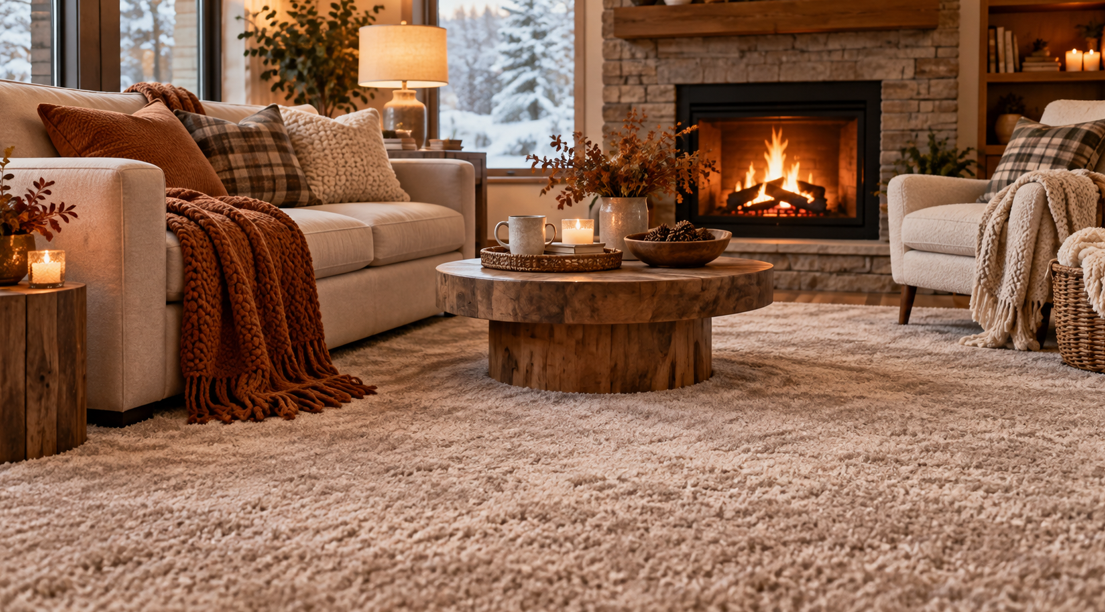
Carpet is particularly well suited to that kind of seasonal living because it does more than add a soft surface. The Carpet and Rug Institute notes that carpet provides thermal insulation and resistance, helping retain warm air longer during colder seasons. It also creates a warmer feeling underfoot, which can make bedrooms, family rooms, upstairs halls, and play areas feel more inviting when outside temperatures drop.
At Eastside Carpets & Floors, homeowners can compare carpet styles with a local team that understands how Eastside homes are used throughout the year. A household in Redmond may want a plush bedroom carpet for cold mornings, while a busy Bellevue or Kirkland family may place more emphasis on durability in an upstairs hallway or family room.
The best seasonal choice is not necessarily the thickest carpet you can find. Comfort comes from the combination of fiber, pile construction, cushion, room placement, and maintenance. Understanding how those pieces work together can help you create a warmer-feeling home without sacrificing practicality.
What Actually Makes Carpet Feel Warm and Comfortable?
When people describe carpet as “warm,” they are usually talking about two related benefits: thermal performance and the sensation of softness underfoot.
Carpet contains millions of fibers that trap small pockets of air. That structure provides resistance to heat transfer, commonly described through an R-value. The Carpet and Rug Institute explains that carpet offers thermal insulation and can retain warm air longer during colder seasons.
That does not mean carpet replaces proper home insulation or an efficient heating system. Instead, it contributes to the way a room feels. A hard floor can feel cool against bare feet even when the room itself is heated. Carpet creates separation between your feet and the subfloor, so bedrooms and living spaces can feel more comfortable at the same indoor temperature.
Cushion also matters. Industry guidance notes that the right cushion contributes to resilience, thermal and acoustic insulation, and underfoot comfort. A quality carpet over the correct cushion often feels more substantial than the same carpet installed over an unsuitable backing system.
There is also a design side to comfort. Texture, color, and sound influence how we experience a room. Carpet absorbs sound and softens footsteps, so a family room can feel quieter during evenings indoors. A bedroom with a soft textured floor may also feel more restful than the same room with a visually colder surface.
This is why cooler-month carpet selection is best approached as a complete system. The fiber affects softness and resilience, the construction changes the feel and appearance, and the cushion supports both comfort and performance. Looking at all three together gives you a better result than choosing a sample based on thickness alone.
Choose the Right Carpet Feel for Each Room
Seasonal comfort matters most in the rooms where you spend time barefoot, seated close to the floor, or relaxing for long periods. Rather than installing the same carpet everywhere, match the feel and performance level to each space.
Bedrooms: Prioritize Softness Underfoot
Bedrooms are one of the best places to lean into comfort. A softer cut-pile carpet can make getting out of bed on a chilly Redmond morning noticeably more pleasant. Because bedrooms usually experience lighter traffic than stairs or family rooms, you often have more freedom to choose a plush or textured style.
Polyester, triexta, and soft nylon carpets can all work well depending on the household and desired feel. The right choice depends on how much foot traffic the room receives, whether pets use the space, and how much emphasis you place on long-term resilience versus softness.
Family Rooms: Balance Warmth and Everyday Performance
Family rooms tend to work harder. They may host movie nights, children playing on the floor, pets, guests, and daily foot traffic. A comfortable carpet still makes sense, but durability and cleanability deserve equal attention.
A dense textured cut pile is often a practical direction because it combines softness with a surface that handles everyday use well. If the room is used heavily, a resilient fiber such as nylon or a performance-focused triexta may be worth comparing.
Upstairs Halls and Landings: Think Dense and Supportive
Hallways benefit from carpet’s warm feel and sound absorption, especially in multi-story homes. However, traffic tends to follow the same narrow path every day. Choose a dense carpet that can hold its appearance rather than simply selecting the deepest pile.
A supportive cushion can also improve the feel while helping the carpet perform as intended.
Playrooms and Media Rooms: Comfort Has More Than One Job
In playrooms, carpet gives children a softer surface for sitting and playing. In media rooms, it can help reduce reflected sound and make the room feel more relaxed. CRI identifies both warmth and noise reduction among carpet’s comfort benefits.
These are spaces where comfort includes warmth, acoustics, and cushioning rather than softness alone.
Carpet Fiber and Construction Matter More Than Thickness
It is easy to equate a thicker carpet with a warmer or more luxurious carpet, but thickness by itself does not tell you how the flooring will perform. Density, fiber type, pile style, and cushion all affect comfort.
Cut Pile for a Soft, Welcoming Feel
Cut-pile carpet has yarn ends that are cut rather than looped. Depending on the twist and finish, it can range from velvety and plush to more casual and textured.
Plush styles can create a refined, soft look in bedrooms or formal areas. Textured cut pile is often more forgiving in active spaces because it can disguise footprints and vacuum marks more effectively.
Loop and Patterned Styles for Structure
Loop carpets can offer a firmer, more tailored feel. Dense loops often perform well in busy areas, although households with pets may want to consider whether claws could catch in larger loops.
Patterned carpets can add visual warmth without relying on deep pile. Subtle geometric or tonal patterns work particularly well when you want a cozy room that still feels polished and contemporary.
Density Can Matter More Than Loft
A carpet can look thick but have relatively loose construction. Another may appear lower in profile yet feel supportive and substantial because the fibers are packed more densely.
For rooms that get daily use, dense construction is usually worth close attention. It can provide a comfortable walking surface while helping the carpet maintain its appearance.
When comparing carpet flooring, ask to see options side by side and press your hand into the samples. Look at how tightly the fibers are packed, how quickly they spring back, and how the surface changes when brushed in different directions. Then consider how the product will feel over the recommended cushion rather than judging the carpet sample alone.
The goal is to find a combination that feels comfortable in October and still performs well after many seasons of use.
Do Not Overlook Carpet Cushion
Carpet gets most of the attention because it is the part you see, but cushion underneath it has a major influence on comfort.
A good cushion provides support rather than simply making the floor feel soft. CRI guidance describes cushion as important to carpet performance and notes that it contributes to resilience, acoustical and thermal insulation, and comfort underfoot.
Choose Support, Not Just Maximum Softness
An extremely thick or overly soft cushion is not automatically better. Carpet manufacturers specify cushion requirements, and using the wrong thickness or density can affect how the carpet performs. CRI also recommends checking the carpet manufacturer’s cushion requirements when selecting padding.
The correct cushion allows the carpet to flex appropriately while supporting the backing.
This is particularly important on stairs and in busy rooms, where too much movement underfoot can work against long-term appearance retention.
Cushion Can Enhance the Cooler-Month Feel
Because cushion adds another layer between the finished surface and subfloor, it can contribute to the insulated, comfortable sensation people value during fall and winter. Pairing the right carpet with the right cushion can make a bedroom, family room, or upstairs floor feel more finished and inviting.
Consider How the Room Is Used
Bedrooms may suit a cushion selected with softness in mind, while stairs and hallways usually need support and durability. Homes with radiant heating require special attention because cushion and carpet together affect heat transfer. CRI recommends checking manufacturer requirements and identifies specific cushion considerations for radiant-heated floors.
Professional guidance is valuable here because cushion is not a one-size-fits-all purchase. Matching it properly to the carpet and installation method helps protect the overall flooring system while delivering the comfort you wanted in the first place.
Use Color and Texture to Make Cooler Months Feel More Inviting
Physical warmth matters, but design can also influence whether a room feels cozy or stark. Carpet covers a large visual area, so color and texture have a strong effect on the mood of the space.
Warm Neutrals Create an Easy Foundation
Beige, oatmeal, taupe, soft brown, and warm greige are versatile choices for homes throughout Redmond, Bellevue, and Kirkland. They pair easily with wood furniture, stone fireplaces, warm metals, and the natural greens and browns often used in Pacific Northwest interiors.
These tones can create a sense of warmth without making the room feel dark. They are also flexible enough to work through seasonal décor changes.
Deeper Tones Can Make Large Rooms Feel More Intimate
In a spacious bedroom, media room, or formal sitting area, a deeper carpet tone can make the space feel more grounded. Charcoal-brown, muted olive, warm gray, and rich taupe can create depth while remaining easy to coordinate.
Before choosing a dark carpet, view a larger sample in the room. Redmond’s cloudier, wetter fall and winter conditions can change how colors appear indoors, so a shade that looks balanced under bright showroom lighting may appear deeper at home.
Texture Adds Visual Softness
A softly textured carpet can make a neutral room feel layered even when the color palette is simple. Tonal variation, subtle patterning, and visible yarn texture add depth without requiring a bold design statement.
If the room already contains patterned furniture, dramatic stone, or richly grained cabinetry, a quieter carpet often works best. If the furnishings are simple, a subtle pattern can give the floor more character.
The most useful test is to look at carpet samples with your existing paint, furniture, trim, and natural light. A color that feels warm in isolation may shift when placed beside a cool gray wall or bright white cabinetry.
Plan for Rainy-Season Reality
Cooler months in the Pacific Northwest also bring more moisture. Redmond climate information shows a clear rise in precipitation during fall and winter, with November and December among the wettest parts of the year.
That does not make carpet a poor choice. It simply makes placement and everyday habits important.
Create a Transition Zone at Exterior Doors
Carpet performs best when wet shoes, umbrellas, and muddy paws are managed before they reach it. Use effective walk-off mats and, where possible, maintain a hard-surface transition immediately inside frequently used exterior doors.
A small entry routine can make a significant difference:
Remove wet shoes before entering carpeted rooms.
Keep absorbent mats at the busiest doors.
Dry pet paws after rainy walks.
Let umbrellas and wet outerwear drain over a hard surface.
Vacuum tracked-in grit before it settles deeper into the pile.
Keep Moisture Problems Separate From Seasonal Dampness
Normal rainy-day traffic is one thing. Leaks, recurring dampness, or water intrusion are different problems and need to be corrected before carpet is installed.
Carpet is best placed over a properly prepared, dry subfloor. If a room has a history of moisture issues, address the source first and confirm that the space is appropriate for carpet.
Clean Consistently Rather Than Aggressively
Regular vacuuming helps remove dry soil and grit before they work deeper into carpet fibers. Spills and damp spots are easier to manage when handled promptly. Follow the carpet manufacturer’s care recommendations for spot treatments and professional cleaning intervals.
The Carpet and Rug Institute recommends routine vacuuming, prompt attention to spots and spills, and preventive measures such as entry mats.
For Redmond households, those simple habits are especially useful from fall through spring.
Make Your Home Feel Ready for the Cooler Season
When the Pacific Northwest turns cooler and wetter, flooring becomes part of how your home feels every day. Carpet can add warmth underfoot, soften sound, create comfortable spaces for sitting and relaxing, and make bedrooms and family rooms feel more inviting through the colder months.
The best results come from looking beyond surface softness. Start with the room and how it is used. Choose a fiber and construction that match the traffic level. Pair the carpet with a supportive cushion that meets the manufacturer’s requirements. Then consider color, texture, local lighting, and rainy-season habits as part of the same decision.
For a bedroom, that might mean a plush, soft surface that feels welcoming on cold mornings. For a busy family room, it may mean a denser carpet that combines comfort with resilience. Upstairs, carpet can contribute both warmth and quieter foot traffic. The right choice is the one that balances comfort with the realities of your household.
Eastside Carpets & Floors brings more than 30 years of flooring experience to homeowners in Redmond and surrounding communities, including Bellevue, Kirkland, Bothell, Woodinville, Sammamish, and Issaquah. With a Redmond showroom, mobile showroom, free in-home estimates, and professional installation, the team can help you compare carpet and cushion combinations in a way that fits your home and lifestyle.
If you are planning a flooring update before the cooler season settles in, get in touch to explore comfortable, durable carpet options and schedule a consultation for your home.


