
Create a Smooth Flow Between Carpet, LVP, Tile, and Hardwood
A well-designed home does not rely on one flooring material in every room. Most homes use a mix of surfaces because each space has different needs. Carpet may be perfect for bedrooms and stairs, LVP may suit active living areas, tile may work beautifully in bathrooms or entryways, and hardwood may bring warmth to main gathering spaces.
The challenge is making those flooring choices feel connected.
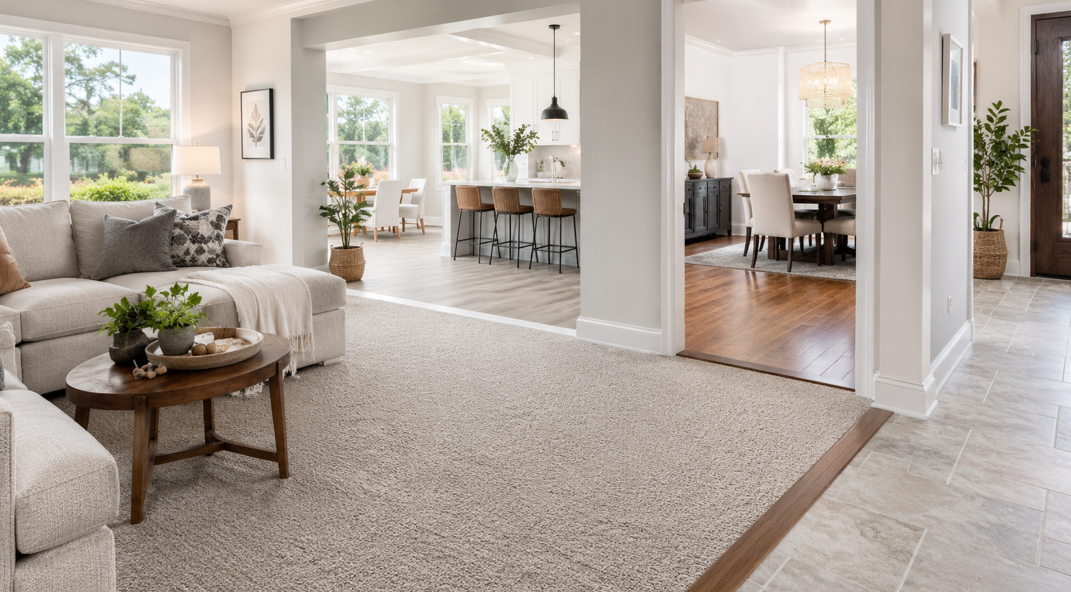
When carpet meets LVP, tile, or hardwood, the transition point matters. It affects how the home looks, how the floor feels underfoot, and how naturally one room flows into the next. In Redmond, Bellevue, Kirkland, Issaquah, Sammamish, Bothell, and Woodinville homes, this is especially important because many properties have open layouts, multi-level spaces, updated remodels, and Pacific Northwest design details that combine warmth with everyday practicality.
For homeowners planning new floors, Eastside Carpets & Floors offers local guidance on beautiful, durable flooring combinations that feel polished and functional. A thoughtful carpet selection can make transitions feel intentional instead of patched together.
Carpet is often used in comfort-focused rooms like bedrooms, family rooms, stairs, and upper hallways. LVP, tile, and hardwood are often used in moisture-prone or high-traffic spaces. When these surfaces meet, carpet can soften the design, reduce sound, and make the home feel more inviting.
The goal is not to match every floor exactly. The goal is to create balance. The right carpet color, pile height, texture, and transition detail can help different flooring materials work together as one cohesive design.
Why Flooring Transitions Matter in Home Design
Flooring transitions are the points where one material changes to another. They may happen between a bedroom and hallway, at the top of a staircase, between a living room and kitchen, or where a tiled entryway meets a carpeted family room.
When transitions are planned well, they blend into the home naturally. When they are overlooked, they can interrupt the visual flow and make even beautiful flooring choices feel disconnected.
A good transition supports three key goals: appearance, comfort, and practicality.
From a design standpoint, transitions help guide the eye from one space to another. Carpet can create a soft visual break between harder surfaces, especially when the colors and tones work together. For example, a warm greige carpet can pair nicely with natural oak hardwood or wood-look LVP, while a soft gray carpet may complement cooler tile or modern flooring finishes.
From a comfort standpoint, carpet brings softness to areas where people often walk barefoot, sit, relax, or spend quiet time. Bedrooms, lofts, and upstairs hallways often benefit from that added warmth.
From a practical standpoint, transitions help define how each room is used. Tile near an entryway can handle wet shoes. LVP in a kitchen can support spills and active movement. Carpet in adjacent rooms can add comfort and noise reduction.
In Pacific Northwest homes, where rain, mud, pets, and indoor-outdoor living all influence flooring decisions, mixed flooring materials often make sense. The key is choosing carpet that complements the surrounding surfaces rather than competing with them.
Start With the Main Flooring Tone
Before selecting carpet, look at the flooring already installed or planned for nearby rooms. The tone of LVP, tile, or hardwood will guide the carpet color and texture.
Warm Flooring Tones
Warm flooring tones include golden oak, honey brown, walnut, tan, beige, and warm greige. These floors often create a cozy, natural feel. They are common in traditional, transitional, and Pacific Northwest-inspired interiors.
Carpet that works well with warm floors usually has a soft warmth of its own. Consider shades like oatmeal, warm taupe, mushroom, sandy beige, or balanced greige. These colors allow the carpet to feel connected without looking identical.
A warm carpet can make bedrooms and family rooms feel comfortable and welcoming, especially during cooler Northwest months.
Cool Flooring Tones
Cool flooring tones include gray, charcoal, white oak, slate, blue-gray tile, and cooler-toned wood-look LVP. These floors often suit modern homes, updated condos, and cleaner contemporary interiors.
Carpet that complements cool floors may include soft gray, silver beige, stone, pewter, or cool greige. These shades help maintain a polished look while adding softness to the space.
The main point is to avoid creating a sharp color clash. If the nearby floor has a cool undertone, a very yellow or orange carpet may feel out of place. If the nearby floor is warm, a flat cool gray carpet may feel disconnected.
Neutral Mixed Tones
Many modern floors use mixed tones, such as greige LVP, natural oak hardwood, or tile with both warm and cool veining. These floors give homeowners more flexibility.
In this case, carpet can lean slightly warm or slightly cool depending on the wall color, trim, cabinets, and furniture. A multi-tone carpet can also work well because it naturally bridges several colors at once.
Match Carpet Texture to the Room’s Purpose
Carpet texture plays a major role in how smoothly it transitions from another flooring surface. A plush carpet may feel luxurious in a bedroom, while a low-pile textured carpet may work better near hallways or stairs.
Textured Carpet for Everyday Flexibility
Textured carpet is one of the most versatile choices for homes with mixed flooring. It has enough surface variation to hide footprints and vacuum marks, yet it still looks polished.
This style works well near LVP, hardwood, and tile because it offers visual softness without feeling overly formal. It can suit bedrooms, family rooms, stairs, and upstairs hallways.
For homeowners who want carpet that complements several flooring materials, textured carpet is often a reliable option.
Low-Pile Carpet for Cleaner Transitions
Low-pile carpet can be a smart choice near harder surfaces because it creates a cleaner height transition. This is especially helpful where carpet meets hardwood or LVP in doorways, hallways, or open areas.
Lower pile can also make the transition feel more stable underfoot. It is easy to vacuum, practical for busy homes, and visually streamlined.
Plush Carpet for Private Spaces
Plush carpet can add softness and comfort in bedrooms, primary suites, and quiet sitting areas. It works best when the transition point is clearly defined, such as at a doorway or private room entrance.
If plush carpet meets a hard surface in a high-traffic zone, the height difference needs careful planning. Proper padding and transition trim can help the change feel smooth and finished.
Patterned Carpet for Design Interest
Patterned carpet can be a stylish choice on stairs, in hallways, or in rooms that need a little extra character. It can also help connect with nearby tile patterns or wood grain movement.
The pattern does not need to be bold. Subtle texture, tone-on-tone designs, or small-scale patterns can add depth while keeping the home cohesive.
Carpet and LVP Transitions
Luxury vinyl plank is popular in Eastside homes because it is durable, stylish, and practical for active households. When carpet meets LVP, the transition should feel clean, balanced, and suited to the way the rooms are used.
LVP often appears in kitchens, basements, laundry areas, entryways, living rooms, and open-concept spaces. Carpet often works best in bedrooms, stairs, and bonus rooms. These pairings can work beautifully when the colors and profiles are planned together.
A wood-look LVP with natural brown tones pairs well with warm neutral carpet. A gray-toned LVP often looks best with soft gray, stone, or cool greige carpet. For mixed-tone LVP, consider carpet with subtle flecks or blended fibers that pick up more than one color in the plank.
Height also matters. Some LVP products sit lower than carpet, especially when carpet padding is added. A transition strip can help bridge the height difference and create a safer, more polished edge.
Where LVP meets carpet in open areas, keep the transition as simple as possible. A clean edge or coordinated trim helps the flooring feel intentional. In doorways, the transition can be tucked neatly beneath the door swing or placed where the flooring change naturally makes sense.
Homeowners exploring new carpet flooring can choose colors, textures, and pile heights that coordinate beautifully with existing or planned LVP throughout the home.
LVP and carpet can be an excellent pairing because each material supports a different lifestyle need. LVP handles active, spill-prone areas, while carpet brings warmth, softness, and sound control where comfort matters most.
Carpet and Tile Transitions
Tile is often used in bathrooms, laundry rooms, mudrooms, kitchens, and entryways. It handles moisture well and brings a clean, durable surface to busy spaces. Carpet, on the other hand, adds comfort and warmth in nearby rooms.
Because tile is a harder and cooler surface, carpet can provide a welcome contrast. The key is making that contrast feel intentional.
Entryways and Adjacent Rooms
In many Issaquah, Redmond, and Sammamish homes, tile may be used near the front door to manage wet shoes and rainy-day traffic. Carpet may begin in a nearby living room, den, or stairway.
For this transition, choose carpet that complements the tile’s undertone. Beige or travertine-style tile often pairs well with warm taupe or oatmeal carpet. Slate, concrete-look, or gray tile may work better with cooler carpet tones.
Bathrooms and Bedrooms
Tile-to-carpet transitions often happen between bathrooms and bedrooms. This is common in primary suites. The goal is to make the bedroom feel softer without creating a jarring shift from the bathroom floor.
If the bathroom tile has veining or pattern, the carpet can stay simple. A neutral textured carpet lets the tile remain the design feature while adding comfort to the bedroom.
Laundry Rooms and Hallways
Tile in a laundry room may meet carpet in an adjacent hallway or bedroom area. Since laundry spaces can involve moisture, the transition should be neatly finished and placed where the flooring change makes practical sense.
A low-pile or textured carpet can work well near these spaces because it keeps the transition clean and easy to maintain.
Tile and carpet can be a strong combination when each material is used for its best purpose. Tile handles moisture and durability needs. Carpet adds softness, warmth, and quiet.
Carpet and Hardwood Transitions
Hardwood floors bring natural beauty and long-term character to a home. Carpet can complement hardwood by softening bedrooms, stairs, and private spaces while allowing the hardwood to remain a main design feature.
The best carpet and hardwood pairings usually focus on undertone harmony.
Warm Hardwood With Warm Carpet
Oak, hickory, maple, cherry, and walnut floors often have warm undertones. Carpet in warm beige, soft taupe, natural greige, or light brown can create a smooth transition from hardwood into bedrooms or upper levels.
The carpet should not try to mimic the exact hardwood color. Instead, it should support the same warmth in a softer material.
Light Hardwood With Soft Neutral Carpet
Light hardwood and white oak floors work well with soft neutrals. Consider cream, warm gray, pale greige, or light taupe carpet. These combinations can make the home feel bright, open, and modern.
This pairing works especially well in Bellevue and Kirkland homes with updated interiors and plenty of natural light.
Dark Hardwood With Balanced Carpet
Dark hardwood can feel rich and elegant, but pairing it with very dark carpet may make some rooms feel heavy. A medium neutral carpet can create balance.
Warm gray, mushroom, beige, or multi-tone carpet can soften the contrast while keeping the design grounded.
Stairs With Hardwood and Carpet
Stairs often create one of the most visible flooring transitions. Some homeowners choose carpeted stairs for comfort and sound reduction. Others choose a stair runner over hardwood.
A stair runner can be a beautiful way to combine hardwood and carpet. It lets the wood remain visible while adding traction, comfort, and design detail. Subtle patterns, textured neutrals, and tailored edges can all work well.
Carpet Height, Padding, and Transition Details
A beautiful carpet transition is not only about color. Height, padding, and installation details all affect the finished result.
Carpet padding can make the floor feel more comfortable, but it also affects the height where carpet meets another surface. If the carpet and padding are much higher than the LVP, tile, or hardwood nearby, the transition may feel more noticeable.
A professional installer can help create a smooth connection between flooring types. This may involve selecting the right padding thickness, choosing a suitable transition profile, and placing the seam or edge in the right location.
Keep Height Differences Comfortable
Small height differences are common when combining flooring materials. The goal is to make the shift feel natural underfoot. Transition strips, reducers, or coordinated trim can help bridge the gap.
Choose Padding With Purpose
Padding supports comfort, sound absorption, and carpet performance. For bedrooms, comfort may be the priority. For stairs and hallways, support and durability may matter more.
The right padding choice helps carpet feel better and perform well without creating an awkward transition height.
Place Transitions Where They Make Sense
Transitions often look best when they happen at natural stopping points. Doorways, room openings, stair landings, and changes in room function are common choices.
In open-concept layouts, transition placement needs more design thought. A clean line that follows the architecture of the room usually looks more polished than a random flooring break.
Color Coordination Tips for a Polished Look
Color is one of the easiest ways to make mixed flooring feel cohesive. Carpet does not need to match LVP, tile, or hardwood exactly. In fact, exact matching can sometimes look forced. Coordinating undertones is usually more effective.
A helpful approach is to identify the dominant tone of the hard surface first. Is it warm, cool, light, dark, or mixed? Then choose carpet that supports that tone.
Use the Same Undertone Family
Warm floors generally work well with warm carpet. Cool floors generally work well with cool carpet. Mixed-tone floors give more flexibility.
This creates a smoother visual connection from room to room.
Repeat Colors From Other Finishes
Carpet can also connect with wall paint, cabinetry, countertops, trim, or furniture. For example, if a home has warm wood cabinets and beige tile, a warm greige carpet may pull the design together.
If the home has white trim, gray LVP, and brushed nickel fixtures, a soft stone-colored carpet may feel more natural.
Consider Natural Light
Rooms with a lot of natural light can make carpet look lighter during the day. Lower-light rooms may make the same carpet appear darker. This is especially important in Pacific Northwest homes, where cloudy weather can change how colors feel.
Homeowners may want to view carpet samples in the actual room before making a final decision.
Use Multi-Tone Carpet Strategically
Multi-tone carpet can help connect several flooring materials at once. A carpet with subtle beige, gray, and taupe flecks may coordinate with wood-look LVP, tile, and painted finishes.
It can also help hide everyday lint, pet hair, and minor debris, which is useful for active households.
Room-by-Room Transition Ideas
Different rooms call for different carpet transition strategies. Thinking through each space helps create a home that feels comfortable and cohesive.
Bedrooms
Bedrooms are one of the most natural places for carpet. If the hallway has LVP or hardwood, carpet in the bedrooms can add softness and privacy.
Choose a carpet color that coordinates with the hallway flooring and bedroom paint. A simple textured carpet usually works well because it feels comfortable without overwhelming the room.
Stairs
Stairs often connect multiple flooring types. Carpet can make stairs quieter and more comfortable, especially in multi-level homes.
For stairs near hardwood or LVP, consider a carpet color that picks up one of the tones in the surrounding floors. Patterned carpet or a runner can also create a polished design detail.
Family Rooms
A carpeted family room can feel warm and relaxed, especially if nearby spaces have LVP or tile. This combination works well in homes where the family room is used for movie nights, kids, pets, or casual gatherings.
Choose a durable, stain-resistant carpet that can handle real daily use.
Home Offices
Carpet can make a home office feel quieter and more comfortable. If the hallway or nearby room has hardwood or LVP, a neutral low-pile carpet can create a clean, professional look.
This is a practical choice for Eastside homeowners who work from home and want better sound absorption.
Basements and Bonus Rooms
Basements and bonus rooms often use LVP because of moisture resistance and easy care. Carpet can still work in selected zones, such as a media area, guest room, or play space.
The transition between LVP and carpet should be planned around how people move through the room. Keeping the flooring change aligned with furniture zones can make the layout feel intentional.
Common Transition Mistakes to Avoid
Even quality flooring can look less polished when transitions are not planned carefully. A few common design mistakes are easy to avoid with thoughtful selection.
Matching Colors Too Closely
Trying to match carpet exactly to hardwood or LVP can create a near-match that feels slightly off. Coordinating is usually better than matching. Choose carpet that shares the same undertone but offers a softer, complementary look.
Ignoring Carpet Height
A thick carpet with plush padding may feel great, but it can create a noticeable height change beside LVP, hardwood, or tile. Height planning matters, especially near doorways and high-traffic areas.
Mixing Too Many Strong Patterns
Patterned carpet, bold tile, and dramatic wood grain can compete with each other. If one floor has a strong pattern, keep the nearby carpet simpler.
Choosing Carpet Without Looking at the Whole Home
Carpet should fit the broader design. Wall colors, cabinets, trim, countertops, and existing floors all influence whether a carpet feels right.
Overlooking Lifestyle Needs
A carpet that looks beautiful in a sample may not be the best fit for pets, children, stairs, or busy hallways. The best choice brings together appearance and everyday performance.
Make Every Flooring Change Feel Intentional
Carpet can play a powerful role in homes that use several flooring materials. It adds softness where hard surfaces would feel too cold, helps reduce noise in multi-level spaces, and brings comfort to bedrooms, stairs, family rooms, and private areas.
The best carpet transitions happen when color, texture, height, padding, and installation details work together. LVP, tile, hardwood, and carpet can all complement one another when each material has a clear purpose and a coordinated design direction.
For homeowners in Redmond, Issaquah, Bellevue, Kirkland, Sammamish, Bothell, and Woodinville, mixed flooring is often the most practical and stylish approach. Pacific Northwest homes need surfaces that can handle rain, active families, pets, entertaining, and quiet everyday comfort. Carpet helps soften that lifestyle while connecting beautifully with harder flooring materials.
If you are planning a flooring update and want carpet that works naturally with LVP, tile, hardwood, or existing surfaces, we are here to help with friendly local guidance.


