
Build a Home Gym Floor That Works as Hard as You Do
A home gym should feel ready for real use, not like an afterthought in the corner of a spare room. Whether you’re lifting weights, stretching, cycling, doing strength circuits, or setting up a compact workout space in a garage, the flooring underneath you makes a big difference.
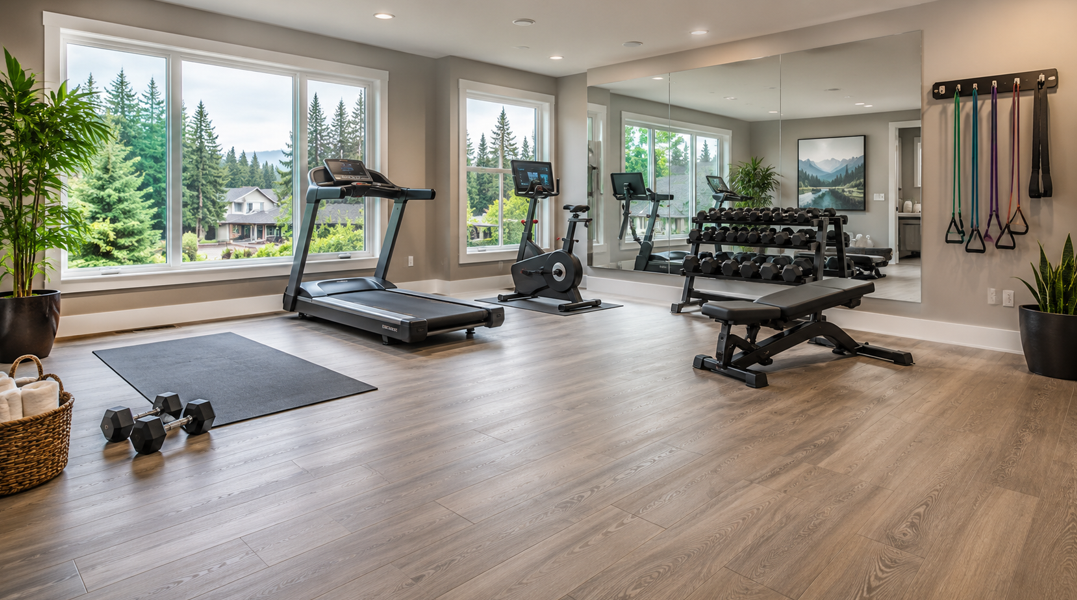
For homeowners in Sammamish and Issaquah, luxury vinyl plank is becoming a practical choice for home gyms because it brings together style, durability, and easy care. It can handle active households, damp Pacific Northwest weather, and the daily wear that comes with fitness equipment, foot traffic, and post-workout cleanup.
A good home gym floor needs to support movement, look polished, and fit naturally with the rest of the home. That’s where LVP stands out. It gives you the warm, finished look of wood-inspired flooring without the same maintenance concerns that come with some natural materials. It can also work beautifully in multi-use rooms where a gym space needs to share square footage with a home office, guest room, basement, or bonus room.
For local homeowners planning a more functional workout area, Eastside Carpets & Floors offers knowledgeable flooring guidance for stylish, durable floors that fit real everyday living. With the right product, installation, and layout plan, your home gym can feel comfortable, practical, and beautifully connected to the rest of your home.
The best LVP for a home gym is not only about appearance. It also comes down to wear layer, core construction, moisture resistance, underfoot comfort, traction, and how the room will be used. A quiet yoga studio needs a different setup than a strength training room with heavier equipment. The goal is to choose flooring that matches your workout style and your home.
Why LVP Makes Sense for Home Gyms
Luxury vinyl plank works well in home gyms because it solves several flooring needs at once. It is designed for everyday durability, it is simple to clean, and it can create a finished look that feels more like part of the home than a basic workout room.
Many Sammamish and Issaquah homes have bonus rooms, basements, garages, and daylight lower levels that can be turned into fitness areas. These spaces often need flooring that can handle moisture, temperature changes, and active use without looking too industrial. LVP gives homeowners a more polished option while still being practical.
One of the biggest advantages of LVP is its resistance to surface wear. A home gym sees repeated movement, whether that’s sneakers pivoting during workouts, exercise bikes staying in place for long periods, or yoga mats being rolled out every morning. A quality LVP floor can support that routine while keeping the space attractive.
LVP is also easier to maintain than many softer flooring types. Sweat, water bottle spills, dust, and tracked-in debris can usually be cleaned quickly with regular sweeping and suitable damp cleaning. That matters in the Pacific Northwest, where wet shoes and rainy-day foot traffic can easily make their way inside.
For home gyms that double as another room, LVP offers a strong design benefit. It can match nearby hallways, living spaces, or basements, helping the gym feel intentional rather than separate. Wood-look LVP is especially popular because it brings warmth to the room without making the space feel cold or overly commercial.
Key benefits of LVP for home gyms include:
Durable surface performance for active use
Easy cleaning after workouts
Stylish wood-look and stone-look designs
Moisture-resistant qualities for Pacific Northwest homes
Comfortable appearance for multi-use rooms
Practical compatibility with many home gym layouts
For homeowners who want a workout space that looks good and performs well, LVP is a strong flooring choice.
What to Look for in LVP for a Home Gym
Not all luxury vinyl plank is the same. When choosing LVP for a home gym, homeowners should look beyond colour and style. The best option depends on how the space will be used, what equipment will be placed on the floor, and how much daily movement the room will see.
A Strong Wear Layer
The wear layer is the protective top surface of luxury vinyl plank. For a home gym, this is one of the most important features to consider because it helps guard against everyday scuffs, shoe marks, and surface wear.
If the room will be used for light stretching, Pilates, or occasional cardio, a standard residential wear layer may be suitable. For heavier use, such as strength training, frequent workouts, or equipment-heavy setups, a thicker wear layer may offer better long-term performance.
The wear layer does not make the floor indestructible, but it does help protect the design surface from daily activity. That makes it valuable in rooms where movement is repeated and equipment may stay in place.
Durable Core Construction
LVP core construction affects how stable the floor feels. Rigid core options are often popular for home gyms because they provide a solid feel underfoot and can help reduce minor subfloor imperfections.
For Sammamish and Issaquah homes with basements or lower-level workout rooms, core quality matters. A stable plank can help the room feel more finished and supportive, especially when paired with proper installation.
Moisture Resistance
Home gyms often deal with moisture from sweat, water bottles, damp towels, and tracked-in rain. In the Pacific Northwest, moisture resistance is especially important because seasonal dampness is part of everyday living.
LVP is a smart option because many luxury vinyl products are designed to resist water on the surface. This makes cleanup easier and helps homeowners maintain a cleaner workout environment.
Traction and Texture
A home gym floor should feel stable underfoot. LVP with a lightly textured surface can provide better traction than a very slick finish. This can be useful for bodyweight workouts, stretching, and general movement.
The texture should still be easy to clean. A good balance gives the room a safe, comfortable feel without trapping too much dust or debris.
Best Home Gym Uses for LVP
Luxury vinyl plank can support many types of home gym setups, but the best results come from matching the floor to the workout style. A compact yoga space, a cardio room, and a strength training area all place different demands on the floor.
Yoga, Stretching, and Mobility Spaces
For yoga, stretching, and mobility work, LVP provides a smooth, clean surface that works well with mats. It gives the room a finished look and is easy to wipe down after use.
The floor itself may be firmer than some people prefer for floor-based movement, so using a quality exercise mat is a smart pairing. This gives you comfort for knees, wrists, and back support while allowing the LVP to serve as a stylish, durable foundation.
Cardio Equipment Rooms
Cardio equipment such as treadmills, bikes, rowers, and ellipticals can work well over LVP when properly supported. Equipment mats are recommended because they help distribute pressure, reduce vibration, and protect the floor from marks.
For homeowners in Issaquah and Sammamish who are turning a bonus room or basement into a cardio area, LVP helps create a space that feels more like part of the home. It can also make cleaning around machines much easier than with carpet.
Strength Training Areas
LVP can work in strength training spaces, but planning matters. Heavy weights and dropped equipment can damage many types of residential flooring, including luxury vinyl. If the gym will include dumbbells, kettlebells, weight benches, or racks, protective rubber mats should be used in lifting zones.
This does not mean LVP is a poor choice. It means it works best as the main finished floor, with added protection in areas where heavy impact is expected. This gives homeowners the design benefits of LVP along with the practical support of gym mats where needed.
Multi-Use Fitness Rooms
Many home gyms are not dedicated workout rooms. They may also function as offices, guest rooms, playrooms, or media rooms. LVP is especially useful in these spaces because it looks polished enough for daily living while still being durable enough for exercise.
This flexibility makes LVP a great fit for Eastside homes where every square foot needs to work harder.
LVP and Heavy Equipment: What Homeowners Should Know
Home gym equipment can be tough on floors. Even durable flooring benefits from smart protection, especially when weight, movement, and vibration are involved.
The first step is understanding the type of equipment you plan to use. A stationary bike creates different pressure than a squat rack. A treadmill creates vibration. Free weights create impact risk. Each setup needs the right flooring approach.
For large cardio machines, use equipment mats. These help protect the LVP from pressure marks and reduce movement during workouts. They can also make cleaning easier by keeping sweat and dust more contained around the machine.
For weight benches and dumbbell areas, use thicker protective mats in the lifting zone. This is especially important if weights may be placed down firmly. Dropping weights directly onto LVP is not recommended because the impact can dent or damage the surface.
For compact equipment, such as resistance bands, yoga blocks, foam rollers, or adjustable dumbbells used carefully, LVP can usually handle the activity well with normal precautions.
Helpful protection tips include:
Use mats under treadmills, bikes, rowers, and ellipticals.
Place rubber flooring tiles or thick mats in lifting areas.
Add furniture pads under benches or storage racks.
Avoid dragging heavy equipment across the floor.
Keep equipment feet clean to prevent grit from scratching the surface.
Check manufacturer guidance for both the flooring and equipment.
Homeowners can explore stylish, durable luxury vinyl flooring options that work beautifully for home gyms, bonus rooms, and active living spaces across the Eastside.
LVP is a strong foundation for a home gym, but it performs best when paired with the right protective accessories. Think of the mats as part of the workout setup, not as a sign that the flooring is not durable. Smart protection helps the floor stay attractive for longer.
Choosing the Right LVP Style for a Home Gym
Performance matters most in a gym, but style still plays a major role. A workout room should feel energizing, clean, and connected to the home. The right LVP design can help create that feeling.
Wood-Look LVP
Wood-look LVP is a popular choice for home gyms because it adds warmth and comfort to the room. It can make a basement or bonus room feel less plain and more inviting.
For Sammamish and Issaquah homes with modern, transitional, or Northwest-inspired interiors, wood-look planks can coordinate well with nearby living areas. Light oak, natural maple, warm brown, and soft greige tones all work nicely depending on the home’s style.
Stone-Look LVP
Stone-look LVP can create a sleek, clean appearance. It may work well in modern home gyms, lower-level workout rooms, or spaces that lean toward a spa-inspired design.
This style can be especially appealing for yoga, Pilates, or wellness rooms where the goal is to create a calm, polished atmosphere.
Matte and Low-Sheen Finishes
For home gyms, matte or low-sheen finishes are often more practical than glossy finishes. They can help reduce the appearance of footprints, dust, and minor scuffs.
A lower-sheen floor also tends to look more natural in bright rooms. In Sammamish homes with large windows or sun exposure, this can help the room feel balanced without too much glare.
Medium Tones and Blended Colours
Medium tones are often practical for active rooms because they can hide dust and small marks better than very light or very dark floors. Blended colour designs can also make everyday use less noticeable.
The goal is to choose a floor that looks clean and stylish without needing constant attention. A home gym should feel ready when you are, not like another room that always needs upkeep.
Moisture, Sweat, and Easy Cleaning
Any home gym floor needs to be easy to clean. Workouts bring sweat, water bottles, towels, shoes, and sometimes outdoor debris into the room. LVP is a strong fit because it supports simple daily maintenance.
After workouts, homeowners can quickly wipe up moisture and keep the floor fresh. This is especially helpful in the Pacific Northwest, where humidity and rainy weather can already make interiors feel damp at certain times of year.
For regular care, sweeping or vacuuming with a hard-floor setting helps remove dust, grit, and debris. Damp cleaning with a manufacturer-approved cleaner can help maintain the surface without leaving residue.
Simple cleaning habits include:
Wipe up sweat and spills promptly.
Use a microfiber mop for routine cleaning.
Avoid harsh cleaners or abrasive scrubbers.
Keep shoes clean before using the gym.
Use mats in high-sweat workout zones.
Let damp towels dry away from the floor.
LVP also works well for homeowners who want a cleaner feel than carpet in a workout room. Carpet can be comfortable, but it may hold odors or moisture more easily in a fitness setting. LVP gives the room a smooth, wipeable surface that supports a fresh workout environment.
For households with kids or pets, easy cleaning is even more valuable. A home gym may become a play zone, stretching area, or family activity room. LVP gives the space flexibility without making cleanup feel like a major chore.
Comfort, Sound, and Underfoot Feel
Home gym flooring needs to feel stable and comfortable. LVP offers a firm surface that works well for many types of movement, but homeowners should think about comfort and sound depending on the room’s location.
In upper-level rooms, sound control may matter. Footsteps, treadmill vibration, and workout movement can carry through the floor. Some LVP products include attached underlayment, while others may require a separate approved underlayment. The right setup can help improve comfort and reduce noise.
For bodyweight exercises, yoga, stretching, or core work, LVP should usually be paired with a supportive mat. This creates a more comfortable surface while keeping the floor easy to clean and stylish when the mat is put away.
For strength training, comfort comes from zoning. Use LVP as the main floor and add thicker mats where weights are handled. This approach keeps the room attractive while giving specific workout areas the impact protection they need.
The subfloor also matters. A well-prepared subfloor helps LVP feel more stable underfoot. Uneven areas can affect how the floor performs, so professional installation is valuable, especially in basements, garages, and older rooms.
In Sammamish and Issaquah homes, many gym spaces are created in converted areas rather than originally designed fitness rooms. That makes planning even more important. With the right flooring, underlayment, and protective mats, the room can feel comfortable, quiet, and ready for daily use.
Best Rooms for an LVP Home Gym
LVP can work in many parts of the home, but each room type has its own considerations. Choosing the right location helps homeowners create a gym that feels natural and useful.
Basements and Lower Levels
Basements and lower levels are common home gym locations. They often offer more space, privacy, and sound separation from main living areas. LVP is a practical choice for these rooms because many products are moisture-resistant and easy to clean.
For Issaquah homes with daylight basements or Sammamish homes with lower-level bonus rooms, LVP can help make the space feel finished rather than purely functional.
Garages
Garage gyms are popular, but they need extra planning. Temperature changes, concrete subfloors, moisture, and heavier equipment all need to be considered. LVP may work in some garage conversions when conditions are suitable, but homeowners should get professional guidance before choosing it.
If the garage will still function partly as a garage, more specialized flooring may be better. If it is being converted into a finished fitness space, LVP may be an attractive option with proper preparation.
Bonus Rooms
Bonus rooms are one of the best places for LVP home gym flooring. These rooms often serve several purposes, and LVP gives them the flexibility to shift between workout space, office, hobby room, or guest area.
A wood-look LVP can make the room feel warm and residential, while still supporting active use.
Spare Bedrooms
A spare bedroom can become a compact gym with the right flooring plan. LVP makes the room easy to clean and keeps it looking polished if it later returns to a guest room or office.
This is a smart option for homeowners who want flexibility without committing the room permanently to fitness use.
Common LVP Home Gym Mistakes to Avoid
LVP can be a great flooring option for home gyms, but a few planning mistakes can reduce performance. Clear choices at the start can help the floor look better and last longer.
Skipping Equipment Mats
Even high-quality LVP benefits from mats under heavy machines and weights. Equipment mats protect against pressure marks, vibration, and surface wear. They are especially important under treadmills, bikes, benches, racks, and lifting zones.
Choosing Style Only
A beautiful floor matters, but performance features matter more in a gym. Homeowners should consider wear layer, core construction, texture, and room use before choosing based on colour alone.
Ignoring the Subfloor
A flooring installation is only as good as the surface beneath it. If the subfloor is uneven, damp, or not properly prepared, the finished floor may not perform as expected. This is especially important in lower levels and converted spaces.
Using the Wrong Cleaning Products
Harsh chemicals, abrasive tools, or wax-based products can affect the floor’s finish. Homeowners should follow product care guidance and use cleaners designed for vinyl flooring.
Dragging Equipment
Dragging machines, benches, or storage racks can scratch or damage the surface. Heavy items should be lifted carefully or moved with proper protection.
Avoiding these common issues helps homeowners get better results from their gym flooring. LVP is durable, but smart habits help preserve its appearance and performance.
How to Plan Your LVP Home Gym Flooring Project
A successful home gym starts with a clear plan. Before choosing a floor, think through how the room will be used day to day.
Start with the workout style. Will the room be used for yoga, strength training, cardio, stretching, or a mix of everything? A light-use wellness room may need less protection than a space with heavy machines and weights.
Next, measure the room and identify zones. You may want one area for cardio equipment, one for free movement, and one for strength training. This helps you decide where LVP will be exposed and where mats or protective flooring accessories should be placed.
Then, consider the room’s location. A basement may need moisture awareness. An upstairs room may need sound control. A garage conversion may need subfloor review. A spare bedroom may need a flexible design that still works if the room changes purpose later.
It is also worth thinking about the look of nearby rooms. If the gym connects to a hallway, basement living space, or office, choose an LVP style that blends naturally with the rest of the home.
Finally, get expert product and installation guidance. Home gym flooring has specific needs, and a local flooring team can help match the right plank, underlayment, and installation approach to your home.
A thoughtful plan helps create a home gym that feels polished, practical, and easy to enjoy. Instead of building a workout space that feels temporary, you can create a room that supports both your fitness routine and your home’s overall design.
Create a Home Gym That Fits Your Eastside Lifestyle
A well-designed home gym makes it easier to stay active, especially during rainy Sammamish and Issaquah seasons when outdoor workouts are not always inviting. With the right LVP flooring, the room can feel clean, comfortable, and ready for daily use.
Luxury vinyl plank is a strong choice because it offers durability, moisture resistance, easy cleaning, and a stylish finished look. It works well in bonus rooms, basements, spare bedrooms, and many multi-use spaces. When paired with protective mats in equipment zones, it can support cardio, stretching, light strength training, and everyday movement.
The best results come from choosing LVP based on how the room will actually be used. Consider your equipment, workout style, traffic level, moisture exposure, sound needs, and design preferences. A home gym floor should not only look beautiful on day one; it should keep supporting your routine over time.
Eastside Carpets & Floors can help homeowners compare LVP styles, understand pe
rformance features, and plan a flooring setup that fits their home gym goals. From free in-home estimates to professional installation, the right local guidance can make the process simple and confidence-building.
If you are planning a home gym in Sammamish, Issaquah, or a nearby Eastside community, reach out to us for friendly guidance on flooring that fits your space, routine, and lifestyle.


