
Design a Cleaner, Calmer Home With the Right LVP
Modern minimalist interiors are not about empty rooms or plain design. They are about creating spaces that feel clean, intentional, comfortable, and easy to live in. For homeowners in Redmond and Sammamish, that often means choosing flooring that supports open layouts, natural light, simple color palettes, and everyday Pacific Northwest living.
Luxury vinyl plank, often called LVP, is a strong fit for this style because it offers the look of wood with practical performance. It can bring warmth to a minimalist room without making the space feel busy. It can also handle active households, rainy weather, pets, kids, guests, and the day-to-day movement that comes with real life.
Minimalist homes rely heavily on the right foundation. Flooring covers a large visual area, so the tone, plank width, texture, and finish can shape the entire mood of the room. A soft oak-look LVP can make a space feel bright and natural. A muted greige plank can create a calm, modern feel. A deeper walnut-inspired option can add contrast while still keeping the design streamlined.
For homeowners looking to create a polished, practical flooring plan, Eastside Carpets & Floors offers knowledgeable local guidance for beautiful, durable floors that fit modern Eastside homes. Whether the goal is a simple open-concept living area, a peaceful home office, or a low-maintenance family space, the right LVP can help the whole design feel more connected.
The best LVP for minimalist interiors blends style and function. It looks refined without demanding attention, supports clean visual flow, and gives the home a comfortable surface that works through every season.
Why LVP Works So Well With Minimalist Interiors
Minimalist interiors depend on balance. Every finish needs a purpose, and flooring plays one of the biggest roles. LVP works well because it can create a warm, finished look while staying practical for busy homes.
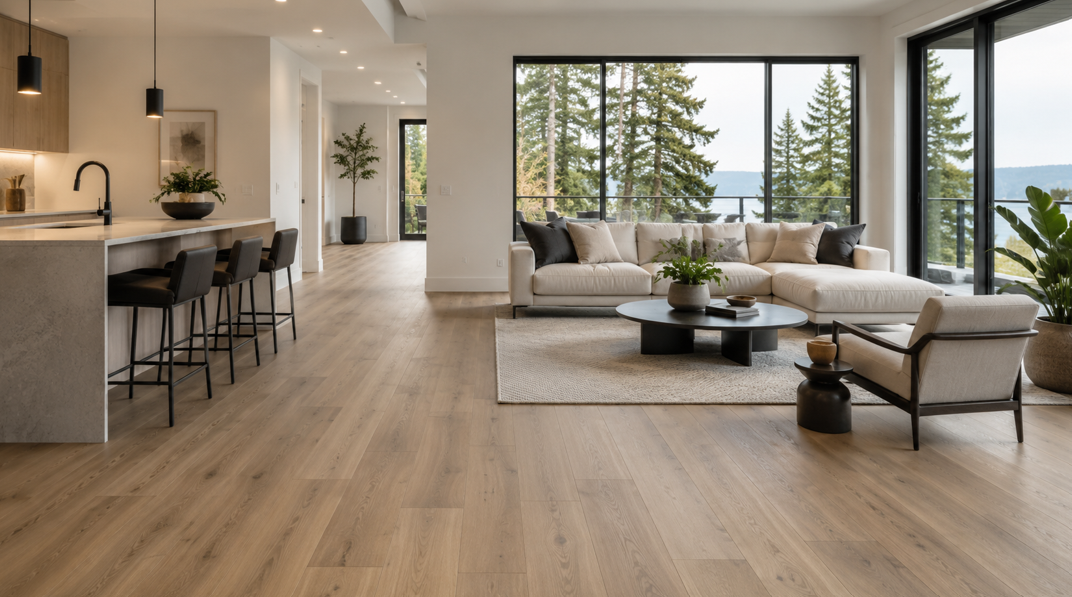
In Redmond and Sammamish, many homes feature large windows, open floor plans, wooded views, and natural Pacific Northwest light. Flooring in these spaces needs to complement the surroundings rather than compete with them. LVP can do that beautifully when the color and texture are chosen with care.
A clean wood-look plank can add softness to white walls, black fixtures, simple cabinetry, and modern furniture. It can also help connect kitchens, dining rooms, hallways, and living areas without creating visual interruptions.
Another reason LVP fits minimalist interiors is its easy-care performance. Minimalist design often works best when the home feels calm and uncluttered. Flooring that is simple to clean helps support that lifestyle. LVP can usually be swept, vacuumed with a hard-floor setting, and cleaned with suitable damp methods, which makes it practical for households that want a beautiful home without high-maintenance upkeep.
LVP also offers design flexibility. It can work in light, airy homes as well as warm, moody interiors. Homeowners can choose from soft natural tones, pale woods, balanced greiges, deep browns, or modern stone-inspired looks depending on the design direction.
Key reasons LVP suits minimalist homes include:
Clean plank visuals that support simple interiors
Wood-look warmth without heavy maintenance
Moisture-resistant qualities for Pacific Northwest living
Easy cleaning for busy households
Strong design flow across open-concept spaces
A wide range of calm, modern colors and finishes
Minimalist interiors work best when every surface feels intentional. LVP gives homeowners a flooring option that looks refined while still supporting everyday comfort.
Choose the Right LVP Color for a Minimalist Look
Color is one of the most important decisions when selecting LVP for a modern minimalist interior. The wrong tone can make a room feel disconnected, while the right tone can make the whole home feel calm and cohesive.
Light Oak and Natural Wood Tones
Light oak-look LVP is one of the most popular choices for minimalist interiors. It creates a bright, open feel and pairs well with white walls, soft gray furniture, black accents, and natural textures.
In Redmond and Sammamish homes with large windows or wooded views, light wood tones can help bring the outdoors in. They reflect natural light well and make rooms feel larger without feeling cold.
Natural maple, pale oak, and light beige planks are especially useful in smaller rooms or open layouts where the goal is to keep everything feeling fresh and spacious.
Warm Greige and Soft Taupe Tones
Warm greige LVP is a practical choice for homeowners who want a balance between warm and cool design. It can work with white cabinetry, natural wood furniture, stone countertops, and muted wall colors.
Greige is also forgiving. It can hide small amounts of dust, pet hair, and daily debris better than very light or very dark floors. This makes it a strong option for active households that still want a polished minimalist feel.
Soft Gray and Cool Modern Tones
Soft gray LVP can work well in contemporary homes with cooler finishes. It pairs nicely with matte black hardware, white walls, concrete-style accents, and modern furnishings.
The key is choosing a gray that still feels natural. Very flat or overly blue-gray floors can feel stark. A balanced gray with gentle warmth often creates a more comfortable minimalist look.
Dark Brown and Walnut-Inspired Tones
Dark LVP can create a sleek, dramatic foundation for minimalist interiors. Walnut-inspired tones work well in homes with high ceilings, strong natural light, and lighter walls.
Dark floors need more thoughtful styling because they can show dust and contrast more clearly. They work best when balanced with light walls, simple furniture, and uncluttered décor.
Plank Width and Layout Matter More Than You Think
Minimalist design is built around clean lines, and plank width affects how those lines appear across the room. Wider planks often work especially well in modern interiors because they reduce visual busyness and create a more open feel.
Wide Planks for Open Spaces
Wide-plank LVP can make living rooms, kitchens, and dining areas feel larger and more streamlined. Fewer seams mean fewer visual breaks, which supports the calm look many minimalist homes aim for.
In open-concept Redmond and Sammamish homes, wide planks can help connect one area to the next. This is useful when the kitchen, dining room, and living room all share one flooring surface.
Medium Planks for Flexible Rooms
Medium-width planks can work well in bedrooms, offices, hallways, and smaller living areas. They provide a clean look while still feeling balanced in rooms that do not have as much square footage.
This option is helpful for homeowners who want a modern style without making smaller rooms feel visually stretched.
Direction of Installation
The direction of the planks also matters. Running planks along the longest wall often makes a room feel more spacious. In hallways, lengthwise installation can help guide the eye and create a stronger sense of flow.
For open layouts, plank direction needs careful planning so the flooring feels consistent from room to room. A professional installer can help determine the best direction based on the home’s layout, sightlines, and natural light.
Keep Transitions Simple
Minimalist interiors benefit from fewer visual interruptions. Using the same LVP across connected spaces can create a smoother look. Where transitions are needed, simple trim and clean edges help preserve the design.
A thoughtful plank layout can make LVP feel custom, polished, and naturally connected to the home’s architecture.
Texture and Finish for Modern Minimalist Spaces
Texture and finish can make or break the final look of LVP. Minimalist design often works best with flooring that has subtle detail rather than heavy contrast or bold patterning.
Matte and Low-Sheen Finishes
Matte finishes are a strong choice for minimalist interiors because they feel natural and refined. They also help reduce glare, which can be useful in Sammamish and Redmond homes with large windows or bright summer light.
A low-sheen floor tends to feel more relaxed than a glossy surface. It also pairs well with modern furniture, simple cabinetry, and understated décor.
Light Wood Grain Texture
A gentle wood grain texture can add warmth without making the floor look busy. The goal is to create visual depth while keeping the overall design calm.
For minimalist homes, avoid overly dramatic grain patterns if the room already has strong visual features such as statement lighting, bold countertops, or large windows with scenic views.
Wire-Brushed and Natural Looks
Wire-brushed visuals can work well when they are subtle. They give LVP a more organic feel, which pairs nicely with Pacific Northwest interiors that use natural materials, greenery, stone, and warm wood accents.
This style can help a minimalist room feel inviting rather than stark.
Smooth Looks for Ultra-Modern Homes
Some homeowners prefer a smoother floor with very little grain detail. This can work in ultra-modern interiors with sleek cabinetry, clean furniture lines, and a more architectural feel.
The key is balance. If the flooring is very smooth and simple, adding warmth through textiles, plants, soft lighting, and natural textures can keep the space comfortable.
Homeowners can explore modern, durable luxury vinyl flooring options that support clean design while standing up to everyday Eastside living.
Pairing LVP With Minimalist Color Palettes
The floor is only one part of the design. To create a cohesive minimalist interior, LVP needs to work with walls, cabinets, furniture, fixtures, and natural light.
White and Warm Neutral Palettes
White walls and warm neutral LVP are a classic minimalist pairing. This combination feels bright, simple, and welcoming. It works especially well with natural wood furniture, linen fabrics, woven textures, and soft black accents.
Warm neutral floors help prevent white rooms from feeling too cold. They add enough warmth to make the space feel livable.
Gray and Soft Contrast Palettes
Soft gray walls, cool-toned LVP, and black or brushed metal accents can create a clean modern feel. This style works well in condos, townhomes, and updated homes with contemporary finishes.
To keep the room from feeling flat, add natural textures such as wool rugs, wood furniture, leather seating, or greenery.
Earth-Tone Minimalism
Minimalist interiors do not need to be all white or gray. Earth-tone palettes are especially fitting for Pacific Northwest homes. Think clay, taupe, olive, cream, sand, and warm brown.
LVP in natural oak, greige, or walnut-inspired tones can support this look beautifully. It creates a grounded design that feels calm, modern, and connected to the outdoors.
Black and White Modern Interiors
Black and white interiors can look striking with the right LVP. A light oak floor can soften the contrast, while a deeper brown plank can add richness.
For this style, flooring should not compete with the sharp contrast of the rest of the room. A simple, low-sheen plank usually works best.
Best Rooms for Minimalist LVP in Redmond and Sammamish Homes
LVP can work across many rooms, especially when the goal is visual flow and simple upkeep. In minimalist interiors, using one consistent flooring surface across several spaces can make the home feel larger and more connected.
Open-Concept Living Areas
Open-concept spaces benefit from continuous flooring. LVP can run from the kitchen to the dining area and living room, creating one clean foundation.
This is especially useful in modern Eastside homes where the main floor is designed for cooking, relaxing, working, and entertaining. A consistent floor helps the space feel organized and intentional.
Kitchens
LVP is a practical choice for minimalist kitchens because it can handle everyday spills and frequent foot traffic. It pairs well with flat-panel cabinets, quartz countertops, simple backsplashes, and clean hardware.
Wood-look LVP can also soften modern kitchen finishes, especially when the design includes white, gray, or black cabinetry.
Home Offices
Many Redmond and Sammamish homeowners work from home at least part of the week. LVP can help a home office feel clean, focused, and professional.
A calm floor tone supports concentration without making the room feel plain. It also works well with rolling office chairs when the right chair mat or furniture protection is used.
Bedrooms
Minimalist bedrooms need warmth and quiet. While carpet is often chosen for softness, LVP can work well in bedrooms when paired with area rugs, soft bedding, and warm lighting.
This creates a clean, hotel-inspired feel while keeping maintenance simple.
Basements and Bonus Rooms
Basements and bonus rooms often serve several purposes. They may function as workout spaces, media rooms, guest areas, or playrooms. LVP gives these spaces a finished look and helps them stay flexible as household needs change.
How LVP Supports a Low-Clutter Lifestyle
Minimalist interiors are not only about how a home looks. They are also about how a home functions. Flooring that supports easy care can make it simpler to maintain a clean, calm space.
LVP works well for low-clutter living because it does not require heavy upkeep. Regular sweeping, quick spill cleanup, and suitable damp cleaning are usually enough to keep the floor looking fresh.
This matters in busy households where life moves quickly. Families, pet owners, remote workers, and frequent hosts all benefit from flooring that looks polished without needing constant attention.
LVP also helps create visual order. When the same flooring runs through connected rooms, the home feels less segmented. That continuous look can reduce visual noise and make furniture, lighting, and architectural details stand out more clearly.
For minimalist interiors, every visible element matters. Too many flooring changes can make a home feel busy. A consistent LVP style across main living spaces can create the opposite effect: calm, flow, and simplicity.
LVP also pairs well with storage-focused design. Built-ins, streamlined furniture, floating shelves, and hidden storage all feel more intentional when the flooring beneath them is simple and cohesive.
A beautiful floor does not have to demand attention. In a minimalist home, the best floor often works quietly in the background, making the rest of the room feel balanced and complete.
Avoiding Common Minimalist Flooring Mistakes
Minimalist design may look simple, but the details matter. A few flooring choices can make a clean interior feel either polished or slightly off.
Choosing a Floor That Is Too Cold
A very cool gray floor can make a minimalist home feel less inviting, especially during long rainy seasons. If the home already has white walls, black fixtures, and cooler lighting, a slightly warmer LVP tone may create better balance.
Using Too Much Visual Grain
Heavy grain, strong knots, or high-contrast patterns can make the floor feel busy. For a minimalist interior, subtle grain usually works better.
The floor can still have character, but it needs to support the room rather than dominate it.
Ignoring Natural Light
Natural light changes the way flooring looks. A sample that appears warm in the showroom may look different in a shaded room or under cooler lighting.
In Redmond and Sammamish homes, where cloudy days and bright summer light can shift throughout the year, viewing samples in the actual space can help homeowners make a more confident choice.
Mixing Too Many Flooring Types
Too many flooring changes can break up a minimalist home. When possible, use one LVP style across connected areas to create a cleaner flow.
Different rooms may still need different surfaces, but transitions work best when they are intentional and limited.
Forgetting About Furniture and Cabinetry
LVP needs to coordinate with more than wall color. Cabinet finishes, furniture legs, countertops, trim, and built-ins all influence how the floor looks.
A light oak LVP may pair beautifully with white cabinets and black accents. A warm walnut tone may suit cream walls and natural stone. The best choice depends on the whole room.
Styling Tips to Make LVP Feel More Elevated
LVP can look refined and high-end when it is styled thoughtfully. Minimalist design depends on restraint, so a few strong choices often work better than many decorative details.
Add Soft Area Rugs
Area rugs can bring comfort, especially in living rooms, bedrooms, and offices. Choose simple textures, natural fibers, or subtle patterns that complement the LVP rather than covering it entirely.
A rug can also define seating areas in open-concept spaces.
Use Natural Materials
Wood furniture, stone accents, linen curtains, wool throws, ceramic décor, and indoor plants all pair well with minimalist LVP. These materials add depth without making the room feel cluttered.
Pacific Northwest homes often look especially beautiful when modern flooring is paired with natural textures.
Keep Furniture Lines Clean
Minimalist interiors benefit from furniture with simple silhouettes. Low-profile sofas, clean dining tables, and uncluttered shelving help the flooring remain part of a calm design.
Let the Floor Create Flow
Avoid placing too many small rugs or visual breaks across connected spaces. Let the LVP run clearly through the room so the eye can move naturally from one area to the next.
Use Lighting Thoughtfully
Warm lighting can make LVP feel more inviting. Floor lamps, recessed lighting, pendant fixtures, and natural daylight all affect how the flooring tone appears.
A minimalist space should feel calm in the morning, afternoon, and evening. Lighting helps achieve that.
Create a Minimalist Home That Still Feels Warm
Modern minimalist interiors work best when they feel clean but not cold, simple but not empty, and stylish but still comfortable. LVP can help strike that balance.
For homes in Redmond and Sammamish, luxury vinyl plank offers the right mix of visual calm and everyday practicality. It can support open layouts, busy family routines, rainy Pacific Northwest weather, home offices, pets, guests, and summer gatherings without losing its polished look.
The key is choosing the right tone, plank width, texture, finish, and layout. Light oak can make a home feel bright and open. Greige can bring flexible warmth. Soft gray can create a modern foundation. Walnut-inspired tones can add contrast and depth. When paired with simple furnishings, natural textures, and thoughtful lighting, LVP can turn a minimalist design into a warm, livable space.
A good flooring plan does more than complete a room. It helps the whole home feel connected. With the right LVP, each space can flow naturally into the next while staying easy to maintain and comfortable to enjoy.
If you are planning a modern flooring update in Redmond, Sammamish, or a nearby Eastside community, get in touch for friendly guidance on choosing LVP that fits your home, style, and daily routine.


