
Why Radiant Heating Is Popular in Pacific Northwest Homes
Radiant heating has become a popular choice for homeowners across Bellevue, Kirkland, and surrounding areas—and it’s easy to see why. Instead of relying on vents or forced air, radiant systems deliver heat directly from beneath your floors, creating a consistent and comfortable warmth throughout your home.
This type of heating feels different in the best way. Rather than hot and cold spots, you get even heat across the entire room. That means no chilly corners and no need to constantly adjust the thermostat. For families in the Pacific Northwest, where cooler weather is part of daily life, that kind of comfort makes a noticeable difference.
Another advantage is efficiency. Radiant heating systems are designed to use energy effectively, helping maintain a steady indoor temperature without overworking the system. They also eliminate the need for visible vents or bulky equipment, which gives your home a cleaner, more streamlined look.
At Eastside Carpets & Floors, many homeowners are looking for flooring that complements this type of heating—something that performs well while still delivering on style and durability. That’s where luxury vinyl plank (LVP) stands out as a practical, modern solution.
How Radiant Heating Systems Work (Simplified)
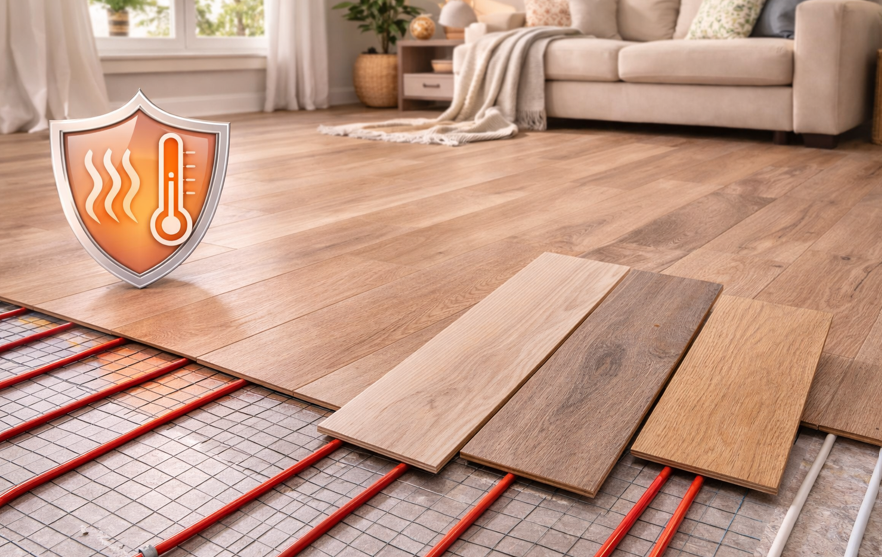
Radiant heating might sound technical, but the concept is surprisingly straightforward. The system works by generating heat beneath your flooring and allowing it to rise naturally into the room.
There are two common types of radiant heating systems:
Hydronic systems use heated water flowing through tubes beneath the floor
Electric systems rely on heating elements installed under the flooring surface
Both systems are designed to distribute heat evenly. Instead of pushing warm air around like traditional systems, radiant heating warms the floor itself. As heat rises, it gently fills the space, creating a consistent and comfortable environment.
This is where flooring choice becomes important. Some materials can slow down heat transfer, while others allow heat to move efficiently into the room. Choosing the right flooring ensures your heating system performs as intended—keeping your home warm without unnecessary energy use.
Why LVP Works Well with Radiant Heating Systems
Luxury vinyl plank has quickly become a go-to option for homeowners pairing flooring with radiant heat. It offers a balance of performance, comfort, and design flexibility that works well in modern homes.
Heat Conductivity
LVP allows heat to pass through efficiently, helping maintain consistent warmth across the room. It doesn’t trap heat the way some thicker materials can, which supports the overall performance of the heating system.
Stability Under Temperature Changes
One of the standout features of LVP is its ability to handle temperature fluctuations. It’s designed to remain stable, even as conditions change, which helps prevent issues like warping or shifting.
Comfort Underfoot
While tile or stone can feel firm, LVP offers a slightly softer feel. Combined with radiant heating, it creates a surface that feels comfortable and inviting throughout the day.
Durability for Everyday Living
LVP is built to handle daily wear—from foot traffic to furniture movement—without compromising its appearance. That makes it a reliable choice for busy households.
Together, these benefits make LVP a smart option for homeowners who want both comfort and long-term performance.
Types of LVP Suitable for Radiant Heating
Not all LVP is exactly the same, and understanding the differences can help you choose the best fit for your home.
Glue-Down LVP
This type is installed directly onto the subfloor, creating strong contact that allows heat to transfer efficiently. It’s often preferred when maximizing heating performance is a priority.
Click-Lock (Floating) LVP
Floating floors are easier to install and can still work well with radiant systems when paired with the right underlayment. They offer flexibility without sacrificing comfort.
WPC vs SPC Core
WPC (Wood Plastic Composite) provides a softer, more cushioned feel underfoot
SPC (Stone Plastic Composite) is denser and offers enhanced stability under changing temperatures
For homeowners exploring different options, browsing luxury vinyl flooring can help highlight how these variations perform in real-life spaces.
Key Factors to Consider Before Installation
Before installing LVP over radiant heating, a few key considerations can help ensure the best results.
Temperature Limits
LVP products are designed to perform within specific temperature ranges. Keeping the system within recommended limits helps maintain the flooring’s integrity over time.
Subfloor Preparation
A clean, smooth, and level subfloor is essential. Proper preparation ensures better heat transfer and a more stable installation.
Underlayment Compatibility
Not all underlayments are suitable for radiant heating. Choosing one designed to support heat flow helps maintain efficiency.
Moisture Considerations
In Pacific Northwest homes, moisture can be a factor. Proper barriers and preparation help protect both the flooring and the heating system.
Taking these steps helps create a foundation that supports both comfort and long-term performance.
Design Benefits of LVP in Heated Floors
Beyond performance, LVP brings strong design advantages that make it a favorite among homeowners.
It offers a wide range of styles, including realistic wood-look finishes that add warmth and character to any room. Whether you prefer a modern aesthetic or something more traditional, there’s an option to match your vision.
LVP also works beautifully in open-concept layouts. It creates a consistent flow from one room to another, helping spaces feel more connected and cohesive.
From a practical standpoint, it’s easy to maintain and holds its appearance well over time. When combined with radiant heating, it creates a living environment that feels both stylish and comfortable.
Common Mistakes to Avoid with LVP and Radiant Heating
A few simple missteps can impact how well your flooring and heating system perform together. Being aware of them makes the process smoother.
Setting temperatures higher than recommended
Choosing underlayment that blocks heat transfer
Skipping proper acclimation before installation
Rushing installation without proper planning
Approaching the process with care helps ensure everything works together as intended.
Professional Installation vs DIY Considerations
While some homeowners enjoy taking on projects themselves, installing LVP over radiant heating requires careful attention to detail.
Professional installation offers several advantages:
Ensures compatibility between flooring and heating system
Helps maintain proper temperature settings
Supports long-term performance and durability
DIY installation can be an option for those with experience, but it requires a clear understanding of both flooring and heating systems. For many homeowners, working with experienced installers provides added confidence and peace of mind.
Creating a Warm, Comfortable Home with the Right Flooring Choice
The right flooring can completely transform how your home feels—especially when paired with radiant heating. LVP offers a combination of comfort, durability, and style that works seamlessly with modern heating systems.
From cozy mornings to relaxed evenings, the combination of warm floors and thoughtfully chosen materials creates a space that feels inviting and functional. It’s a practical upgrade that enhances everyday living.
If you’re planning a flooring project and want guidance tailored to your home, we’re here to help. When you’re ready to explore your options or get expert advice, feel free to get in touch with our team.


