

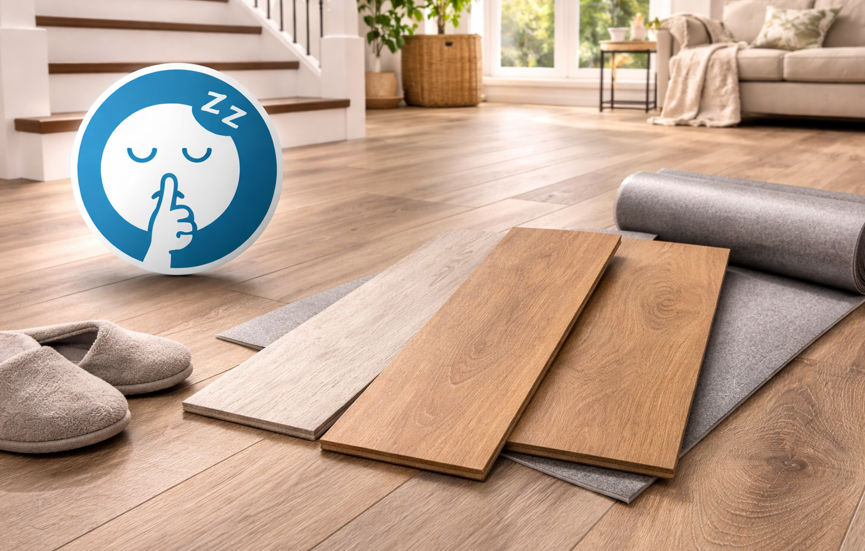
Why Noise Control Matters in Multi-Story Homes
Living in a multi-story home has plenty of advantages—more space, better separation between rooms, and flexibility in how you use each level. But it also comes with one common challenge: noise. Footsteps, movement, and everyday activity can easily travel between floors, especially in busy households.
That’s where flooring plays a bigger role than most people expect. The right flooring doesn’t just look good—it helps create a quieter, more comfortable environment throughout the home.
Luxury vinyl plank (LVP) has become a popular choice for homeowners in Bellevue and Bothell because it balances durability, style, and sound control. When selected carefully, LVP can significantly reduce noise transmission between levels, making daily life feel more peaceful.
At Eastside Carpets & Floors, many homeowners are looking for flooring solutions that support both function and comfort. Quiet LVP options offer exactly that—helping you enjoy your space without unwanted noise carrying from room to room.
How Sound Travels Through Floors
Before choosing the right flooring, it helps to understand how sound moves through a home.
There are two main types of noise to consider:
Impact Noise
This includes footsteps, dropped objects, and movement across the floor. It’s the most noticeable type of noise in multi-level homes and often travels directly through the structure.
Airborne Noise
Sounds like voices, music, or television fall into this category. These travel through the air and can pass through floors and ceilings.
Flooring materials affect how both types of sound are absorbed or transmitted. Hard surfaces tend to reflect sound, while softer or layered materials help reduce it.
LVP sits somewhere in the middle—but with the right construction and installation, it can be optimized for quieter performance.
What Makes LVP Quiet? Key Features Explained
Not all LVP performs the same when it comes to sound. Certain features make a noticeable difference in reducing noise.
Thickness and Density
Thicker planks tend to absorb more sound, helping reduce the impact of footsteps. Denser cores also contribute to better sound control.
Attached Underlayment
Many LVP products come with built-in underlayment, which acts as a cushion between the plank and subfloor. This layer helps dampen sound and improve overall comfort.
Core Construction
The internal structure of the plank plays a major role in performance. Some cores are designed specifically to reduce noise and enhance stability.
Installation Method
How the flooring is installed affects sound transmission. Floating floors with proper underlayment can help minimize noise, while glue-down options create a more solid feel.
These features work together to create a quieter, more comfortable living space—especially in homes with multiple levels.
Best Types of LVP for Noise Reduction
Choosing the right type of LVP can make a significant difference in how your home sounds day to day.
SPC (Stone Plastic Composite) LVP
SPC flooring is known for its density and stability. While it’s firm, when paired with quality underlayment, it can offer effective sound reduction.
Key benefits:
Strong and stable structure
Performs well in high-traffic areas
Works effectively with sound-reducing layers
WPC (Wood Plastic Composite) LVP
WPC tends to be softer and more cushioned underfoot, which naturally helps absorb sound.
Key benefits:
Enhanced comfort
Better sound absorption
Ideal for bedrooms and living areas
LVP with Attached Pad
Some products come with built-in acoustic backing, making installation simpler while improving sound control.
Key benefits:
Reduces installation complexity
Provides consistent sound performance
Adds extra comfort underfoot
For homeowners comparing options, exploring different styles of luxury vinyl flooring can help highlight how these features come together in real spaces.
The Role of Underlayment in Sound Control
Underlayment is one of the most important elements when it comes to reducing noise in multi-story homes.
Why Underlayment Matters
It acts as a buffer between the flooring and the subfloor, helping absorb impact and reduce vibration.
Types of Underlayment
Foam underlayment for cushioning
Rubber underlayment for enhanced sound absorption
Compatibility with LVP
Not all LVP products require additional underlayment, especially those with attached padding. Choosing the right combination ensures optimal performance.
Improving Comfort and Acoustics
The right underlayment not only reduces noise but also improves how the floor feels underfoot, adding to overall comfort.
When paired correctly, LVP and underlayment create a quieter and more enjoyable living environment.
Room-by-Room Recommendations for Quiet LVP
Different areas of the home have different needs when it comes to sound control.
Bedrooms
A quieter surface helps create a more restful environment. Softer LVP options with sound-reducing features work well here.
Living Rooms
These areas see more activity, so durability and noise control should go hand in hand.
Upstairs Hallways
Foot traffic is constant in these spaces, making sound reduction especially important.
Home Offices
Reducing noise helps improve focus and productivity, particularly in shared homes.
Choosing the right LVP for each area helps balance performance, comfort, and style.
Common Mistakes That Increase Floor Noise
Even the best flooring can underperform if certain details are overlooked.
Skipping underlayment when it’s needed
Choosing thinner planks without considering sound
Poor subfloor preparation
Incorrect installation methods
Avoiding these issues helps ensure your flooring performs as expected.
Professional Installation Makes a Difference
Installing LVP in a multi-story home isn’t just about laying planks—it’s about creating a system that works together.
Professional installers understand how to:
Select compatible materials
Prepare the subfloor properly
Ensure correct installation techniques
This attention to detail helps improve both sound performance and long-term durability.
While DIY installation is possible, working with experienced professionals often leads to better overall results and fewer concerns down the line.
Creating a Quieter, More Comfortable Home
A quieter home doesn’t happen by accident—it’s the result of thoughtful choices in materials and design. LVP offers a practical solution for homeowners who want to reduce noise without compromising on style.
By selecting the right type of LVP, pairing it with suitable underlayment, and ensuring proper installation, you can create a space that feels calm, comfortable, and well-designed.
If you’re planning a flooring upgrade and want guidance tailored to your home, we’re here to help. When you’re ready to explore your options, feel free to we are here to help and connect with our team for expert advice.


